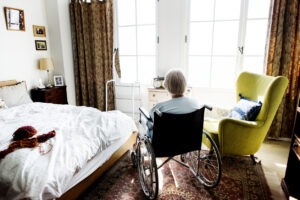




Bedsores in nursing homes are caused by prolonged, unrelieved pressure on the skin, usually when a resident is not moved or properly cared for. These injuries form when blood flow is restricted, leading to skin breakdown, tissue damage, and, in severe cases, life-threatening infections.
Most bedsores happen because staff fail to reposition residents regularly, overlook early warning signs, or neglect basic hygiene and nutrition. For families concerned about a loved one’s safety, speaking with a Boston nursing home abuse lawyer can help you understand whether neglect or abuse played a role and what your options are.
Bedsores Are a Sign of Neglect
At Jason Stone Injury Lawyers, we believe no one should suffer the preventable harm caused by bedsores. These injuries often indicate that a resident has been left alone for extended periods with their medical needs ignored or forgotten.
Common causes of nursing home bedsores include:
- Residents left in the same position for too long can develop pressure sores because their bodies aren’t being moved often enough. This is especially risky for those who are confined to a bed or use a wheelchair.
- Skin that stays damp for extended periods—whether from sweat, soiled clothing, or unchanged bedding—is far more likely to break down and become infected.
- When meals or fluids are skipped, either by oversight or lack of staff attention, a resident’s body loses the nutrients it needs to maintain healthy skin and fight off wounds.
- Staff shortages often lead to missed care routines. With too few caregivers on the floor, residents may be overlooked during critical checks or not repositioned as often as necessary.
- Even when care instructions are clearly written out, some facilities fall short in carrying them out. Delays, miscommunication, or lack of follow-through can all contribute to serious harm.
Under 105 CMR 150.000, Massachusetts nursing homes are required to provide care that maintains each resident’s physical and emotional well-being. Bedsores are a clear sign that a facility may be violating this legal duty.

The Four Stages of Bedsores
Pressure ulcers are classified by severity. Understanding the stages can help families identify how long a resident may have gone without proper care.
- Stage 1: Skin appears red, warm, or discolored but is not broken. Pain and tenderness are common. If addressed early, damage can be reversed.
- Stage 2: The skin breaks open, forming a blister or shallow sore. Infection risk increases.
- Stage 3: The sore extends deeper into the tissue beneath the skin. Immediate medical attention is required.
- Stage 4: The ulcer reaches muscle or bone. This stage carries a high risk of severe infection, permanent damage, or death.
When advanced bedsores are found, it usually means the resident has been neglected for days or even weeks.
Signs of Neglect You Should Not Ignore
Bedsores rarely happen in isolation. They are often a part of a wider pattern of neglect.
Families should watch for:
- Noticeable weight loss or signs of dehydration could mean your loved one isn’t receiving regular meals or enough fluids. These changes shouldn’t be brushed off.
- Unwashed clothing or soiled bedding often points to a lack of basic care. If hygiene is being neglected, other areas of care may be too.
- Sudden shifts in mood or behavior—like becoming withdrawn, anxious, or fearful—can sometimes reflect emotional mistreatment, even if there are no visible injuries.
- Visible wounds or frequent bandages deserve an explanation. If staff can’t clearly explain how or when an injury happened, that’s a cause for concern.
- When communication from the facility stops or feels vague, families are often left guessing about important health updates. That kind of uncertainty is never acceptable.
If you’re noticing any of these red flags, start keeping detailed notes. Take photos, request care records, and track any changes. That documentation can be critical if you decide to take legal action.
Our Role in Holding Nursing Homes Accountable
Once you contact Jason Stone Injury Lawyers, we handle the process from start to finish so you can focus on supporting your loved one. We know how emotionally difficult these situations are, and we are here to provide both legal support and peace of mind.
Here’s how we approach these cases:
- Gathering visual evidence: We look for surveillance footage inside the facility, video from EMS body cameras, and recordings from nearby businesses.
- Reviewing staff and medical records: Staff schedules and medical logs help show whether the right care was being provided or missed entirely.
- Analyzing daily care routines: Repositioning charts, medication records, and nutrition logs often reveal gaps that contribute to the development of bedsores.
- Checking the facility’s history: We investigate prior health code violations, reports of understaffing, and any patterns that point to poor training or oversight.
- Documenting the full impact: Bedsores are painful and emotionally devastating. We make sure your loved one’s suffering—not just the cost of treatment—is factored into the case.
- Applying state law to your claim: Massachusetts allows families to pursue compensation for harm caused by neglect. That can include medical bills, moving expenses, emotional distress, and, in some cases, wrongful death compensation.
The Sooner You Act, the More We Can Do
Time is critical in these cases. When a bedsore becomes serious, the nursing home’s legal team and insurance company are already preparing their defense. Delaying action can lead to lost evidence, overwritten medical records, or missed opportunities to document injuries.
Our team knows what to look for and how to build a strong case. We step in quickly to preserve records, speak to witnesses, and start the investigation before the facility has time to cover its tracks.
Talk to Our Team Today
At Jason Stone Injury Lawyers, we know how to hold nursing homes accountable because we’ve done it for over 21 years. We’ve represented more than 15,000 clients across Massachusetts and recovered over $250 million for families dealing with serious injuries and abuse.
You’ll never need to reach into your pocket to pay us. Our contingency-based approach means we only get paid when you do. And with our Stone Cold Guarantee®, you’ll know exactly what to expect from the moment you contact us. We’re committed to fast responses, compassionate communication, and taking care of everything so you can focus on your loved one.
If you’re worried that a loved one’s bedsore may be the result of neglect, don’t wait. Better Phone Stone® to schedule your free consultation today. We’re available 24/7, and we’ll respond to you within 24 hours—day or night.
Not Trusting What You’re Being Told?
Better Phone Stone
(800) 577-5188
 START MY NO OBLIGATION CONSULTATION